
Being bullied, Courage, Kindness, Midwifery and birth, NHS, Nursing, Women's rights

Speak Out 

Please do not see me as anyone special – my philosophy is to learn and to inspire  others to keep going – against the odds. To help others and to reinforce within myself the understanding that feeling shame is ok , that to be embarrassed is fine and to feel vulnerable is to be human . I am reading Brene Browns book Rising Strong and now realise that it’s ok not to be strong all the time. I try to stay humble and kind. 
Just recently I’ve been reading a lot about hierarchy and what it means . Some say social media does not flatten hierarchy perhaps it doesn’t but it does connect you to people you may never find the time to meet or talk to in person . 

THIS WAS WRITTEN IN 2007 I have heard of stories about bullying in the NHS and I have been on the receiving end – the word bullying to me dehumanises the people who are actually carrying out the behaviour and cruelty they are ‘bullies ‘

In May 2015 Marie Claire Magazine published an article about nursing and the bullying culture CLICK HERE to read – it has many parallels to midwifery . Sadly this issue is talked about and highlighted as wrong but still it continues . 

Jacques Gerrard is   @JacqueGRCM on twitter – Jacques gives a powerful presentation on how bullying and undermining behaviour can affect someone’s work and be detrimental to a midwives’ health. Also Jacques promotes the  RCOG & RCM JOINT TOOLKIT on challenging and identifying bullying behaviour . 

Bullying can include questioning practice , being gossiped about , being marginalised, ostracised Forcing to retrain when not necessary and being  
 given an excessive or inappropriate workload . It can also include things like not being valued for the work you do , and not being supported . It takes immense strength to challenge bullies and to let them see that you are not affected by them when in fact you might be – this is displaying a strong exterior . a person  on the receiving end of bullying may develop mental illness and physical symptoms . The following are some of the effects of being bullied 

…. anxiety, headaches, nausea, ulcers, sleeplessness, skin rashes, irritable bowel syndrome, high blood pressure, tearfulness, loss of self-confidence, various illnesses of the organs such as the kidneys, thoughts of suicide…. 

People who are being bulliied  should be aware that their employer has a duty to protect them and make them safe . The Trade Inion Congress has solid advice on challenging and recognising bullying TRADE UNION CONGRESS – ADVICE TO HELP YOU IF YOU ARE BEING BULLIED –

As today is #SpeakOut day against bullying I’ve been reading on this  ANTI-BULLYING WEBSITE how to train to become an anti-bullying ambassador and this training  involves school children and adults in schools, the workplace and the community . 

It’s time to challenge any form of bullying and to consider how we treat others . Do you value your colleagues or do you snipe about them ? Do you include them or leave them to flounder on unsupported and lonely .

Bullies make up about 20% of the workforce so we can out number them and challenge . Only two weeks ago I saw a fellow colleague blatantly being targeted and I did something about it . Don’t get me wrong it was hard to speak out but once I did I had feedback from others that they had gained courage to speak out . 

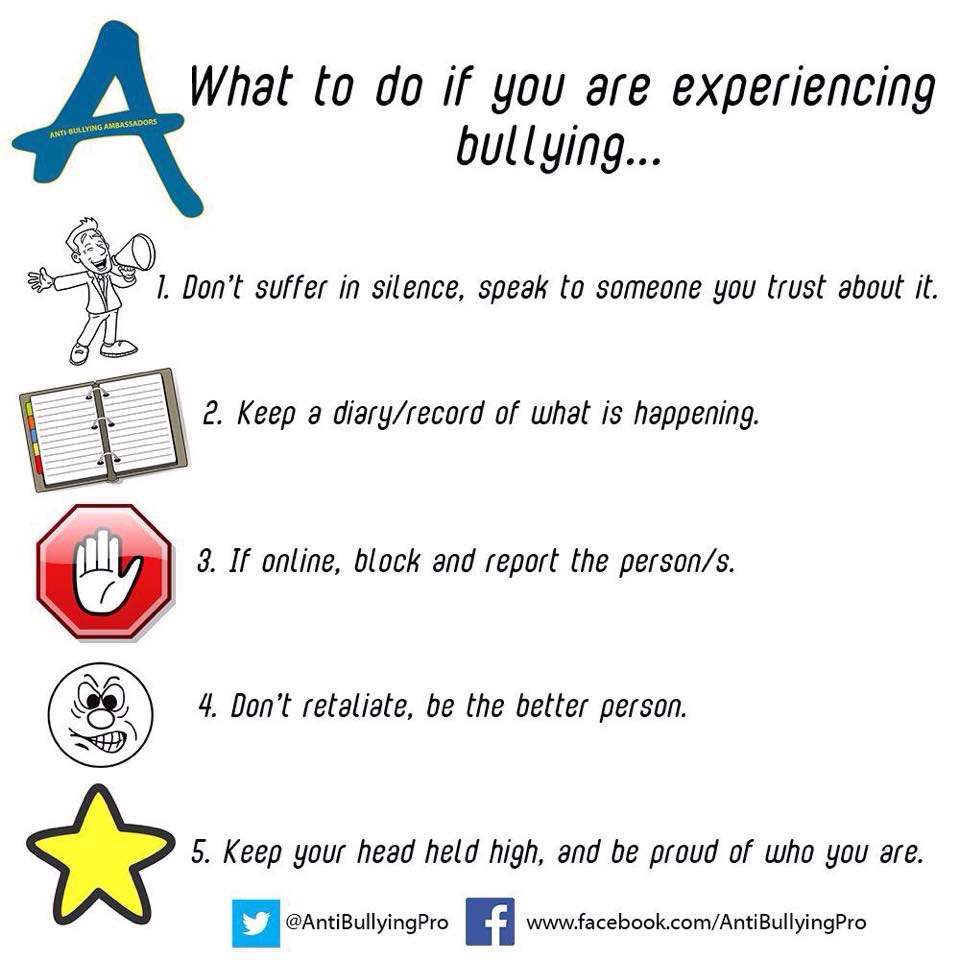
It’s time to address the bullies and help them to see that their actions and behaviours can have a  long term detrimental effect on A person , the whole of society and health . If you are beng bullied don’t be a victim speak out , seek advice tell your friends , keep a diary and get some support from your union representative . If you are not in a union join one . 

Let’s all be courageous and make the world a better place to be in 

Thank you for reading 

Jenny ❤️
Being busy as a midwife, Courage, Kindness, Learning, Midwifery and birth, Skin to skin contact, Teaching, Women's rights

If you are a midwife – I am just like you ❤️  

I am two people sometimes my identities merge into one sometimes they separate. First and foremost I am a mother who is a writer and expresses her work through writing, art  and social media. Then I am a midwife I work full time clinically and I do shift work. This realisation hit me after seeing the film ‘The Lady In The Van’ where Alan Bennett is portrayed by two actors  showing his two roles – one as the writer Alan Bennet and the other Alan Bennett the man with the house and life to live 

In addition to my NHS role  I also present regularly usually to NHS trusts Midwifery Societies and to other NHS Departments usually around skin to skin contact at birth – I also include discussion around  courage and challenges within the workplace .  Sometimes my  two ‘lives’ meet sometimes they go their separate ways however I am the conduit of my own story . I say this because I blog about some of the experiences I have had within my own work and also talk about them in my presentations . By using these experiences my aim is help others to gain confidence or consider their own approach to colleagues and to women. 

I reflect on each occurrence and then I depersonalise it to write in the third person – the aim of my stories is to give the reader hope for themselves and for others . I want midwives to realise that I am just like them – I get up I go to work I come home and then I work some more .  I work shifts and weekends . There are occasions when I have beans on toast or cereal for dinner and I have even been known to spend a full day in my pyjamas if I need a good rest . There are times on a shift when I may not get a break and / or go home late. 

I have had feedback that some of my blogs hit a nerve – my main passion is to promote skin to skin contact for all birth settings where possible , however if my platform enables me to speak out for others who are unable to speak out for themselves , then I will do it .  I would like to pose a question to you all – 

Are you aware of why some midwives do not rejoice in the work that other midwives do? 

Why is this ? As far as I am concerned it is stopping us from moving forwards as a profession. The midwives that do extra mural work are not trying to glorify themselves but they are simply filled with passion. Their drive is not something they find easy and they get tired and disheartened but they keep going – that does not mean they are any better, wiser or more respected than those doing their role and nothing extra – it just means they want to help the profession to be recognised and all of us to be equally valued. We are all relevant voices so try to respect one another and be professional , compassionate and kind to one another – this will then drip onto the women and families we care for . Consider how you react to a midwife who might be in the public eye and realise that you are equal partners in midwifery . 

Reflect back to your last month at work – have you been in any situation that you felt uncomfortable in ? Did you witness a colleague being upset? Did you see or hear something that concerned you ? How did you feel ? What did you do ? Did you regret not saying anything either because the time was not right or just because you felt scared? How do you think the other person felt ? Who did you talk to about it ? Your supervisor of midwives ? Your colleague ? Your manager ? Your family ? The NMC? Your union representative or steward? Your friends or no one ? It’s really important that when something emotional happens in your life that you can debrief about it . Personal or joint reflection helps us all to  gain feedback from ourselves  and from others and it’s SO important that this feedback includes positivity as well as critical analysis . Why ? There is a plethora of research available  ON FEEDBACK  including the article you’ve just read . Search google scholar for research and articles on how nurses and / or doctors reflect

Keeping a diary each day will help you to reflect back with better clarity – time moves fast and soon the next week is upon us – the incident or situation will pass you by . Unbeknown to you stressful situations,  scenarios , whether they are large or small will slowly and gradually affect your physical and mental health . Things like weight gain , anxiety and depression are directly  to linked to stress in the workplace and can impact negatively  on safety , staffing levels , good care and achievements  for midwifery . 

I suggest you buddy up with someone you trust , someone you can reflect with , plan with and rejoice with. Try to remember why you chose midwifery and the massive impact that your care will  have on a woman and her family . 

We all have the same dreams 

Thank you for reading please leave comments as this helps me to learn and reflect 

Jenny ❤️

Kindness, Midwifery and birth, NHS, Women's rights

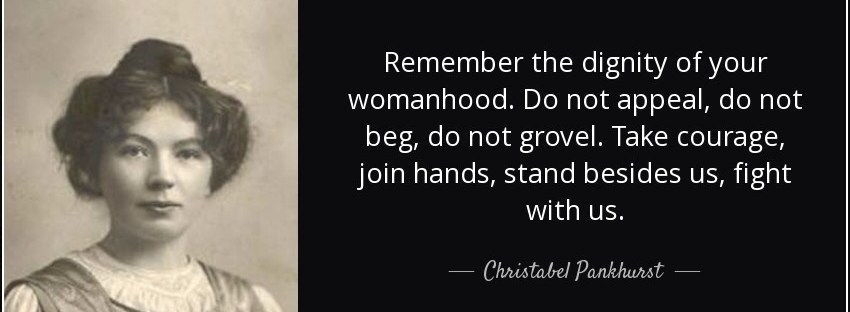
The Suffragette film and midwifery 

The Suffragette film has so many parellels in my life as a midwife and also as a single mother that I just have to write about it 

As a midwife I see the strength and courage of women on a daily basis – I also see vulnerability , sadness , wisdom and grief . 

These emotions and traits are also part of me and every midwife  and must be recognised and valued 

Until I “found” myself through social media I was almost lost and felt  that  I’d never fit in – through the power of twitter I have found my place and I’ve  gained #courageButter . I have  connected with brilliant inspiring midwives, future midwives, doulas, obstetricians and several others who are not necessarily birth workers but who embrace the fact that birth is part of our psyche . 

We are all born therefore it is crucial that any birth is a positive experience for a woman,  her baby/babies and her family – be that blood family and/or friends . 

A great resource and a global voice for birth is the Positive Birth Movement founded by Milli Hill  @millihill on twitter also look for @birthpositive . Any birth can and should be a positive experience whether it occurs at home , a midwifery led unit , a labour ward or an operating theatre .  I see it as part of my role to make that happen as do many other UK and global midwives and birthworkers  . 

The suffragettes tried peace first and were ignored so then they resorted to different tactics – I wonder how they would have rejoiced to be able to use social media to spread their campaign 

In the film their determination to smash windows and destroy communications within London are portrayed as effortless  and without thought – but I’m sure in their hearts they felt scared and questioned themselves – they had families to support and were expected to show a sort of unwritten compliance to adhere to societies views of what a woman should BE or Do . When they rebelled against this they were shunned by neighbours friends and attacked. 

This leads me to a question”What does society expect of a midwife ?” 

A ‘NICE’ person who chooses to care for women through pregnancy labour , birth and early motherhood ? OR a courageous person who fights for the rights of all women . 

So ask yourselves this “What exactly does the NHS expect of a midwife ” 

To act as an employee , to comply , to conform? Or to question practice regularly to be rebellious for the good of others , to champion women’s causes ? To help each child have the BEST possible start in life by ensuring that each woman gets top quality care and prolonged skin to skin contact at birth (How could i not mention skin to skin as  Jenny The M ?) 

Does the NHS expect us to shout out that there is a shortage of midwives ? Should we declare that in most maternity units midwives are not always having a break ?-that they work extra hours unpaid to provide support to their colleagues and also  that if midwives were mainly men our pay would be better. Taking  a decision to ‘strike’ was not an easy one  for any midwife but it raises awareness of our cause and I am proud that the RCM and Unison supported us all and stand by us 

My advice is not to ask what others expect of you but to look inside your own heart and ask what you expect of yourself 

I’m suggesting you all try to be suffragettes for midwifery – challenge practice , stick with those who encourage you , reflect regularly , embrace change and do the right thing  – the best is yet to come … 


Cancer, Courage, Dying, Kindness, Midwifery and birth, NHS, Nursing

Dedicated to my mum Dorothy ❤️ you gave me courage 

I really care about kindness to others and I want others to feel it /share it  

 /learn it . I also want people to see courage in action in their working lives. Life throws some hard stuff at us doesn’t it ? We cant always choose how we begin our lives. 

As a midwife I know that skin to skin contact at birth or afterwards can improve & help to concrete the mother child bond . 

 I’m not trying to upset anyone by harping on – it’s just that I’ve had emails letters and cards from women who had skin to skin contact against all odds and how this small thing that is SO huge impacted so positively on them    – I try to focus on one family at a time and this gets me through my working day – patience with myself / patience with others – however courage is a huge part of me and here’s why …

If my beautiful mum had not contracted cancer , if she had not told me time and time again “I want to die at home” I would not be who I am today – this realisation has taken me years ! 

I have always (and always will)  do my best to step back & see the whole person – not their condition / status / experiences as separate entities but in fact parts of the jigsaw that makes them individual and unique .

 I was 17 years old almost 18 – at sixth form college studying Art /Ceramics & English Lit & Language – totally hooked by Shakespeare and clay , living a normal teenage life at college but at home helping my dad to run his newsagents shop because my mum was becoming less able to . I missed a few deadlines for “essays”  & was summoned to Head of English Dept & after a brief telling off I was “removed” from A level English Literature course  . I was devastated – this was my escape from life – poetry / romance / words / inspiration taken from me in one cruel blow – but I didn’t say to  my teachers “my mum is dying – she hasn’t  got long – help me ” I just carried on and went home and cried . At home I couldn’t ask my dad to help me – his heart was breaking – no one in my family had ever “gone to Uni” what was more important me or my mum ? I accepted my fate . 

I nursed my mum at home until she died -the district nurses taught me how to fill charts in and turn her from side to side so that new soft sheets could be placed under her motherly body – I learnt fast as I wanted to make my mum happy as this made me happy –  seeing her smile at me was priceless . I had finished my A levels and was waiting for results so I was free to be her carer whilst dad ran the shop and my sister Barbara (15) went to school . 

“Our mum” Dorothy fell asleep with me & Barbara lying beside her . It was September 22nd 1978 at 6 pm -she was 53 years young – she’d  lost the ability to speak because of the radiotherapy and brain tumour . She didn’t wake up – it was calm and peaceful – we didn’t scream out we felt happy . Her wish to die at home had been granted -we didn’t realise that  the hard part had only just begun. My mum was courageous – she knew she was going to die and she accepted that .I hardly ever heard her moan about it and she kept a strong smile for her family – I have only just started to appreciate that her courage inspires me through my own life . 

I have missed my mum every single day of my life since then – but I have also thanked her for the times I remember – her encouraging me to do impersonations from being young , her love of baking rubbed off onto me . I recall holidays at Butlins & Pontins with her & my sister  – my dad unable to leave the shop so he couldn’t come with us – what a treat an all girls holiday in the 60s ! We giggled all week and had angel delight & jelly pudding in the “chalet”.  Memories like going to see The Sound of Music , visiting Hornsea Pottery and also her perfume Nina Ricci L’Air du Temps(which I used to secretly pinch) live on with me  – her love of Shirley Bassey Click HERE for one of her favourite songs -This is my life and Elvis Presley  “Return to sender” that she used to sing whilst washing up Watch here she forged memories within me that I treasure every day ❤️

One day after my mum’s death a friend Sophie – who was an enrolled nurse said to me “why don’t you apply to be a nurse ? You were great with your mum and that way you can care for others like you cared for Dorothy” 

Sophie I don’t know where you are today but  “thank you so much” as without your words I would have floundered on what to do which career path to follow  – I became a nurse , then a midwife and I’ve never looked back – very occasionally I’ve imagined my life with my mum getting older and me as a famous potter which I what I wanted to do   – art & ceramics . Instead I work in the Art of Midwifery and I have two amazing children that I value & cherish – so when you read my story & realise there’s more to me than skin to skin – I’d like you to try and see that everyone’s story is different – life makes us who we are for a reason –  try to help others as much as you can -this will improves your quality of life 

I wonder what my mum would say if she could see me now ? 

This blog is dedicated to “Our mum” Dorothy Guiney née Graham 22.2.1925 – 22.9.1978   A wonderful woman, mother,sister,auntie, wife and friend 💛

Midwifery and birth, NHS

Aspire To Inspire at Sheffield Hallam 

Jenny Clarke 

 On the 30.7.15 I had a wonderful day at Sheffield Hallam University with the future midwives of Cohort 2012.

The day was full of positivity including stories of birth, life stories but most of all stories about how we can all make a difference in the lives of women and families. 

“Miss Titley” presented housekeeping information for the conference in an ‘air steward style’ (her previous job role) – this set the scene and connected all the attendees through laughter and helped us to bond at the beginning of our journey together on #AspireToInspire. We fastened our seat belts in a metaphorical sense and began the vertical climb aspirations and inspiration. 

It was totally fitting that Sheena Byrom OBE (click HERE to see Sheena’s website) was the first speaker introduced to us all by Jenny Mison to talk about “Turning the silence into a Roar”.

Sheena has the ability to make you think hard about your own practice as a midwife and she has a way of instilling courage into your soul. The way that she does this is by giving out current and topical information on global and UK developments within midwifery. Sheena is a midwifery leader who is self-effacing about her own achievements preferring to raise others up through her kind and compassionate words. Sheena promoted the invaluable work of Birthrights , Iolanthe Midwifery and Lancet Midwifery Series,

Sheena also showed the wonderful thought provoking Mat exp Film by Strategic Clinical networks London NHS which you can watch HERE
The conference was raising money for Iolanthe Midwifery Trust and ‘Safe at Last’ charities. 

 The fantastic work of Iolanthe Midwifery Trust click HEREfor more information to allow student midwives and midwives to receive funds to better maternity services was explained by the ambassador Sheena Byrom. 

The Iolanthe Award has already benefited two of the students at Sheffield Hallam, Rosie Hotchin (to become a Wise Hippo Hypnobirthing and Birthing Instructor)and Jenny Mison (Katherine Graves Hypnobirthing Instructor). Rosie and Jenny received the Iolanthe Award this year to receive training to become Hypnobirthing Instructors. Offering this service to women enhances choices and also improves both Rosie and Jenny’s own experiences by equipping them with the techniques, knowledge and empowerment to reduce inequalities ensuring all women get a positive birth experience.
 

Emma Jackson highlighted the importance of recognising child sexual exploitation, and the fantastic charity SAFE@LAST click HEREfor more information . This charity helps young people who are at risk of running away. Emma Jackson gave a harrowing talk about her own experience of sexual exploitation as a 13 year old girl highlighting that there were many lessons to be learned here for midwives and health care workers to be non judgemental build rapport and move forwards with women who are or may still be in this situation. 

 Sheffield’s citywide “One-to-One team” talked about their movement to promote choice in women through offering physiological vaginal breech birth. Helen-Dresner-Barnes (Midwife) and Julia Bodle (Consultant Obstetrician) spoke about how it is pinnacle that the team work with the obstetricians as collaboration is vital to make change happen. They showed films of breech birth and reinforced how vaginal breech birth is a safe option (possibly safer option than elective caesarean sections when looking at those associated risks) as long as certain criteria is met. Collaboration is vital for the future midwives of today as this is an intrinsic part of the curriculum. 

 Joy Kemp of The RCM presented the Global midwifery Project which works to improve maternal mortality rates “Link to Nepal Earthquake Fund at RCM” Joy lives up to her name and truly exudes a joy and value to her role – inspiring others to consider working in countries where health care is underdeveloped by teaching and supporting women and families. 


Sheffield City council fund the Doula Project click HERE to read more which enables vulnerable women to receive the support of a doula from the antenatal period through to the postnatal period. This innovative project means that vulnerable women receive positive support and gain the friendship, and an advocate, of their allocated doula.
The woman and the doula are matched up and a relationship is formed which becomes the solid foundation of the pregnancy birth and postnatal period 

 Rosie Hotchin 

 Then I (Rosie Hotchin) introduced my great friend and #twitterbuddy Jenny Clarke. She immediately got the crowd singing, laughing, and joining hands playing the song “hold my hand” by Jess Glynn .Jenny spoke about how social media has been pinnacle at promoting her campaign #skintoskin as part of birth. The long-term impact of women not been given skin-to-skin with their baby was highlighted through a video showing women still become emotional thinking about how they were not facilitated to have this special moment.

Jenny soon got everyone off their seats, to highlight how we can explain to women the benefits of skin-to-skin in every situation by role playing a theatre scene. The wonderful Sally Goodwin was quickly changed into a theatre gown to become the woman, and Jenny showed how we can talk to women to explain the benefits, and actions and tips we can take to ensure this occurs.  It was useful to see the experience of being in theatre from a woman’s point-of-view and the amount of people in the room Simple actions such as speaking to the woman by getting down at her level, using everyday language and ensuring everyone in the room introduces themselves makes a huge difference to her experience. 

Finally, the 2012 cohort brought an end to the conference through thanking their lecturers, students and speakers that have truly aspired to inspire. Sally Freeman (Course Leader) did a marvellous, emotional final speech highlighting how strong and passionate the 2012 cohort are and midwifery is safe in their hands. Cohort 2012 are truly are family, who, without a doubt, will move mountains with the support they have for each other that has already seen many individuals receive marvellous midwifery success in their midwifery career already. They are all an inspiration to each other

.

Jenny Clarke and Rosie Hotchin

Midwifery and birth, NHS

Helping one another – and washing feet 👣

As a midwife I try to be amenable to others within my place of work 

I see helping others as offering help , making a cup of tea for them, checking they have had a break and making sure they are going home on time, sometimes staying behind to help them . Helping and supporting also means recognising when someone seems a bit stressed or not their usual self . This may manifest in the way they speak or a lack of interaction – we as midwives should be teaching future midwives how to recognise body language and verbal cues from co-workers as this will help us recognise the same in the women we care for . 

Asking someone “are you ok now?” As you walk out of a room away from them does not help them to reply or interact – it is your opinion and in fact rhetorical – if you are leaving them with significant work to complete so that you can return to something less important you should consider whether your action or inaction is in fact “teamwork” or “colleague centred support” as I call it 

We also need to consider that leaving  a woman in labour in a room or a woman who is just starting her first breastfeed is in fact not teamwork either – the woman and family  are also part of the team 

What I’m trying to say is help one another – it’s a good feeling to complete notes with a colleague for the good of the woman . The midwife you’re helping will have more time to be “with woman” . Care is not just physical it’s emotional , psychological and care is record keeping , cleaning , preparing a new space for the family – it’s making toast , hugging a colleague and care is a way we show love kindness & compassion to others 

So the next time you go into a room to answer a buzzer for a woman or a midwife who is with women don’t presume in your mind “they’re ok now ” and walk away look at the full picture – ask with direct eye contact “how else can I help you my friends?” Enter into the room take stock of the situation and use positive body language and a happy face 

The next time you arrive to your shift make sure the person you are taking over from knows you are there to relieve her at the end of her shift – be helpful “I can finish that ” give the other midwife  your full attention and let the family see your kind heart. 

If we give and display consideration to others each and every day we can only make things better within the NHS 

The other day I met a women who was very stressed and she had been in hospital unable to have a proper wash (by this I mean bath or shower ) for three days – I remembered my nurse tutor Mrs Valentines words from 1980 when I started my nursing “cleanliness is an intrinsic part of physical & mental well being” so I asked the woman if she would like to wash her feet – she was thrilled and in fact I washed her feet – she opened up to me about her stress and said it calmed het down & she relaxed for the first time for days . I HAD made time to do this – it took 15 minutes – the discussion we had also helped the Drs to understand more about her condition. The woman also laughed when a Dr came in to see me kneeling on the floor drying the woman’s feet. She said it was the first time she’d laughed for days – it was SO worth it . 

I’m not too proud to wash someone’s feet – I’ve been in the NHS over 35 years and know that this act is not just about the ‘feet’it’s about getting to know the woman I am caring for – so symbolically it’s important that we all wash each other’s feet on a regular basis be kind to colleagues be kind to women be kind to families 

Thank you for reading 

Jenny ❤️

Midwifery and birth, NHS

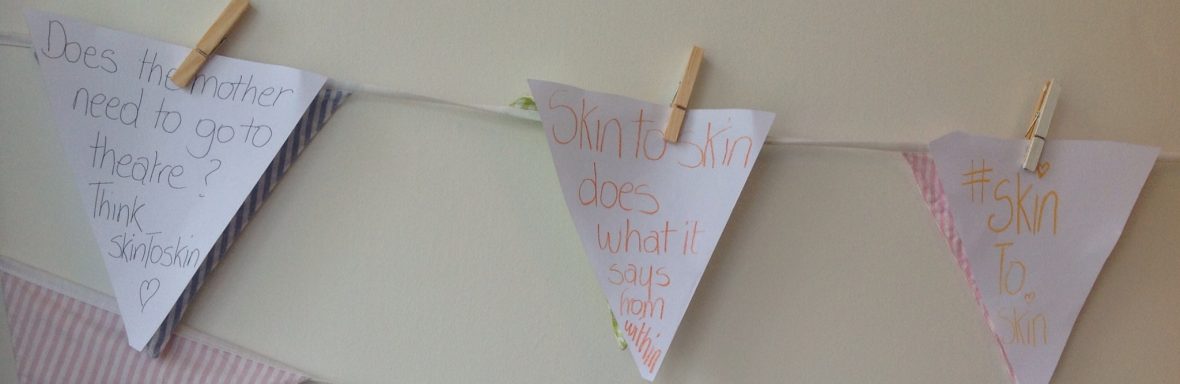
❤️Facilitating #SkinToskin- which midwife/nurse/operating theatre worker are you ? ❤️

In the past two days I’ve had several direct  messages on twitter – all connected and concerned with facilitating skin to skin in the operating theatre. 

Messages about  

  • maintaining  skin to skin through transfer from the operating table to the woman’s bed – how to avoid interruption and the challenges this creates
  • Starting skin to skin as a new process in a NHS trust setting 
  • Challenging others in a positive way
  • Increasing the length of skin to skin contact by deferring weighing the newborn 
  • Skin to skin and emergency theatre 

IF you think you can’t make a difference you’re so wrong – anyone CAN! 

A theatre nurse ( Julie) read my tweets and decided to implement skin to skin within her own NHS trust . Imagine receiving a message saying “from 0-58 in 5” ? You are very much mistaken if you imagine this is about cars – it’s actually about beginning with 0 % skin to skin contact at caesarean and increasing that to 58%  in just 5 months ! Well done Julie ❤️- Julie (&joolzl23) spotted me on twitter and decided to change practice – she has had many challenges as “change” is an easy word to spell and to say but to implement ? Change requires strength , evidence , courage and collaboration . It requires sharing of information and experience plus an ability to lose ownership – stop being territorial about your work because as soon as you share remarkable things start to happen

So I’d like to ask “which midwife/nurse /operating theatre worker are you ?” Are you the one that takes control and holds a baby for its mother or places it into a cot thinking you are helping and being kind or are you the one that sees the need in the woman’s eyes to hold her own child and is fully aware of the evidence and research to support practice around the facilitation of skin to skin contact ? 

Do you see the baby as inconvenience or as an intrinsic part of your work ? 

“Let’s get this theatre list done” have you uttered these words ? Or have you heard them spoken ?  

We are not automatons we are human beings involved in the beauty of birth – stop ! Step back think and reflect – Who exactly does the baby belong to? 

Why does there seem to be an obvious shift in the perception of who the newborn belongs to as soon as birth happens in the operating theatre setting ? Change your mindset -put the family in charge – “hello welcome to YOUR baby’s place of birth – we are YOUR theatre team – we work for YOU and we will help you to have the most positive experience with YOUR baby- we will be with YOU to help YOU to hold YOUR NEWBORN – remember make the “we” small make the YOU large and you’ll put the family at ease – even better make the family part of the theatre team  

This week I’ve met Jessie Lai Professor of Midwifery at Hong Kong University with the wonderful midwives she teaches on the masters programme      , talked to Jeni Stevens a midwife from Australia , connected with Meline a student on an access to health care course and of course Julie the maternity theatre nurse . These women all illustrate perfectly that skin to skin in the operating theatre for women who give birth by Caesarean section is an ongoing global issue and one that’s not going to go away . Mothers are meant  to hold their newborn child/children not Health care workers . I am going to continue to tweet, educate, facilitate, blog, present, speak in fact do whatever it takes until it’s accepted globally that all women hold their newborns in the operating theatre . As Gandhi said “Be the change you wish to see in the world”  

#SkinToSkin 

Midwifery and birth, NHS

Being there 

Are you a midwife ? Do you work where birth takes place ? Instead of Delivery Suite , or Birth Centre imagine where we are born as humans being called “The start of life suite”  


Good morning welcome to the place where life begins”……….Today you will meet someone who has just arrived on our planet  someone vulnerable yet mighty – someone who cannot talk yet who ommunicates brilliantly – a person who has primitive instinctual behaviours from centuries embedded into their brain and someone who’s ultimate survival relies wholly on love – words directed to this persons mother and family will impact on his/her future more than you could dare to imagine-so choose your words wisely – be kind -be proud to see the moment of birth and celebrate the wonder of life ❤️

You are a birth worker – do not take your role too lightly – avoid complacency . You might forget temporarily where you are when thoughts of mandatory training , emergency drills , shifts , study days, jobs to do how others treat you and how you treat others, the organisation you work for , tiredness , how others do their job or do not do their job – but reground yourself and remember that your role is precious-You are entrusted to protect a newborns transition from intra utero life. 


Midwifery and birth, NHS

Courage butter  

As an NHS CareMaker I’d like to provoke some debate on one of the six 6cS COURAGE . 

We hear phrases like “that must have taken some guts!” , “wow – what a courageous act ,”Speak out” 

But how exactly does courage apply to health care professionals ?  

Here Karen Lynas of the NHS Leadership Academy blogs about courage and talks about why we must not chop the heads off tall poppies . 

Visualise your working day and consider how you approach challenges  or difficult situations within your place of work. Do you feel an air of acceptance to comply because  you are  working for the institution, not the patient/woman/family/service user? 

How we approach others and also how we react to others  can be an identifier of a courageous nature – anger should not be responded to by anger as this is like holding an unlit match against a matchbox. 

If  a certain situation is happening , compassion and safety  should always be foremost in our thoughts – is your response kind ? Is the person in any danger – it is worthwhile to contemplate the long term effects of failing to challenge poor care . Poor or substandard care  may continue  because no one has ever challenged the process but it’s always wise to consider the detrimental effects on the service user. Reflection by the service user might not happen until a few weeks later and the impact could be immense on that persons mental health and well being . It is wise to see hold the thought that ‘we are only human”  but in effect our humanity is instrumental in helping us to differentiate right from wrong. 

On the other hand it is always easy to look back on incidents and ask “How did that happen?” We must not bask in the unpredictable light of complacency but each day question our own selves by asking 

Are my actions kind? 

Are my actions evidence based? 

Would I accept this care for myself or for others that I love?”

And we must also hold this thought

 “I am accountable for my inactions”

Imagine yourself as a  newly qualified health care worker suddenly engulfed by the system – what would give you courage ? Would you learn best practice by sticking with the same preceptor or would you observe and gain a sense of right and wrong by reflecting each day and researching care . Is courage visible or auditory ? Can we teach courage do we see it in our daily lives ? Is courage something we associate with Superheroes / daredevils / mountaineers/ extreme sports people but not health care workers ? 
If you overhear colleagues talking about another member of staff in a cruel manner would you  be able to speak out for that colleague or would you join in ? If you discovered that the person being talked about was you how would you truly feel ? 

How can we raise the profile of courage as an intrinsic and crucial part of the 6cs? Do all health care  workers talk as openly about courage as they do the rest of the 6Cs? Is courage embedded into the curriculum  I believe that love and compassion strengthen ones courage.  Maya Angelou’s quote , 

 “Courage is the most important of all the virtues because without courage you can’t practice any other virtue consistently”

 highlights the fact that first and foremost courage is the core of all our virtues – we  must hold onto it . 

I’m currently reading a book about a man who  displayed immeasurable courage during the Second World War. Louis Zamperini overcame immense suffering through personal courage . What made this man courageous and able to survive ? Was it the discipline of running ? Do health care professionals require an extrnal outlet to help them channel courage in the workplace and is social media one such outlet ?  It is now a proven theory that the  tweeting as a healthcare worker increases ones awareness of compassion . Theresa Chinn MBE (for Theresa’s blog Click Here) has discussed this in her Chapter “Compassion in the Social Era”  in the book Roar Behind the Silence  Click here to be directed to Roar behind the Silence (Why kindness , compassion and respect matter in maternity care) edited by Sheena Byrom and Soo Downed – published by Pinter and Martin 2015. 

On a personal level social media has connected me with a community of real like minded health care professionals that I can reflect with and learn with and from  . Yes it’s totally true I have made real and true tangible friendships through Twitter. There is no hierarchy on Twitter we all have a voice that is heard. Where else would you find a  breastfeeding support worker chatting openly to a Head of Midwifery at 7am in the morning? Tweets from NHS patient experience leads to student nurses ? Someone like me discussing  skin to skin contact with radio DJs as well as rugby players – where else would this happen ?

Recently I sent a tweet out saying I wanted to Spread courage like butter on twitter and slowly the # CourageButter is spreading. Please click the following to read Tweets about Courage Butter Anthony Longstone who is one of #TeamShiny first coined the phrase on Twitter Here . 

I firmly believe that courage can be taught and this teaching knows no hierarchy – a breastfeeding counsellor might teach a student midwife more about courage during one observed consultation with a woman who is breast feeding her newborn than she has seen in her first year of training . It is possible to be quietly courageous or a roar might be needed . 

Remember to use systems to back up your courage – supervision , incident reporting , reflection and record keeping will all help you on your courage journey also use refer to  The new NMC code – click here 

It is crucial that we discuss display and teach courage in order that future generations of health care workers  embrace  it as part their role and more importantly so that the people we care for can continue to receive and expect high quality  care.